Why Lakeway Property Owners Choose Certified Tree Experts
Lakeway properties often include complex terrain, mature trees, and high-end outdoor features that require special consideration. Our team brings the right combination of expertise, tools, and attention to detail to help you maintain a safe, healthy, and visually striking landscape year after year.
ISA Certified Arborists With 30+ Years of Experience
Every job we complete in Lakeway is overseen by an ISA certified arborist. Backed by training from the International Society of Arboriculture, these professionals understand how to assess, manage, and care for trees under stress from slope, soil conditions, or exposure. With over three decades of experience in the Hill Country, we know how Texas oak species and ornamentals respond to wind, drought, and pruning.
Texas Oak Wilt and Tree Risk Assessment Qualified
Oak wilt continues to affect Lakeway’s live oak canopy, and our team is certified to diagnose, manage, and contain this aggressive fungal disease. We’re also Tree Risk Assessment Qualified, which allows us to evaluate hazard trees near homes, pools, or steep terrain and determine when structural support, removal, or monitoring is appropriate. Our work goes beyond cutting—it starts with careful risk evaluation and tailored solutions.
Experience With Steep Slopes, Poolside Trees, and Waterfront Access
We’ve spent years working in hillside neighborhoods, gated communities, and waterfront properties around Lakeway. Our crews understand how to manage rigging and equipment on uneven terrain, and we take great care to protect surrounding hardscapes, retaining walls, and luxury landscaping during every job. This level of technical familiarity is critical when trees grow close to the edge of a bluff or hang over a custom pool.
Science-First Approach With a Customer-First Culture
Our recommendations are guided by arboricultural standards, not sales quotas. We assess each tree’s biology, its role in the landscape, and the long-term impact of any work we propose. But just as important as the science is how we treat you. We arrive on time, communicate clearly, and respect your home like it’s our own. Many of our clients in Lakeway have worked with us for years because we offer consistent, trusted care backed by both training and service.
 Tree Trimming and Pruning That Protects Canopies and Views
Lakeway’s terrain and property styles call for pruning that considers both safety and aesthetics. A tree’s shape impacts more than just appearance—it affects airflow, visibility, and risk. As a trusted tree trimming service company, our trimming services are designed to help trees grow stronger while preserving views, improving access, and minimizing storm vulnerability.
Canopy Thinning for Airflow and Light
Dense canopies can trap heat, limit airflow, and reduce light for lawns, beds, or pool areas below. Thinning select interior branches helps balance the tree and allows light to reach the ground—especially important for maintaining turf or ornamental plants in shaded yards. We follow industry standards to remove the right amount of foliage without causing stress or imbalances.
Crown Reduction to Reduce Storm Risk
Overextended limbs, particularly on lake-facing properties, are vulnerable to high wind loads. We perform targeted crown reduction to shorten those limbs without compromising the tree’s structure or triggering excessive regrowth. This approach preserves the tree’s shape while improving its resilience to wind and storms.
Pruning for Safe Clearance Over Decks and Structures
Trees growing near patios, rooftops, and driveways often need periodic clearance pruning to prevent rubbing branches, leaf buildup, or fall hazards. We trim with precision to remove interfering limbs while protecting the tree’s long-term health and natural form. Our crews take special care around railings, lighting systems, and delicate plantings.
Avoiding Harmful Practices Like Topping and Lion-Tailing
Quick fixes like topping or stripping out interior branches (lion-tailing) may look tidy at first, but they often do irreversible harm. We avoid these shortcuts and instead focus on structural pruning techniques that preserve canopy density and encourage balanced growth.
Tree Removal and Emergency Services for High-Risk Trees
Some trees in Lakeway become too unstable or too diseased to remain safely in place. Whether the cause is oak wilt, storm damage, or root failure on a slope, tree removal is sometimes necessary to protect property and prevent injury. Our certified crews—and our reputation as the go-to company for tree removal—handle this work with careful planning, advanced techniques, and full awareness of site complexity.
Identifying Trees That Pose Immediate Risk
We evaluate each tree for structural defects, root plate movement, decay, or canopy dieback. If a tree shows signs of failure—especially near buildings or on slopes—we provide a risk rating and clear explanation of removal options. We can also advise on replacement planning if you wish to replant in the same location.
Rigging and Sectional Removal in Confined or Elevated Spaces
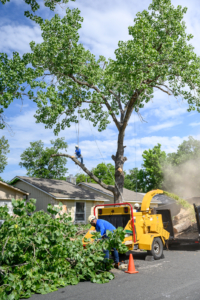
Many Lakeway removals occur in areas with limited access or significant drop-offs. We use rigging systems and sectional dismantling to remove the tree piece by piece. This allows us to protect surrounding vegetation, pool decks, fencing, and retaining walls while safely lowering large limbs and trunk sections.
Storm-Damaged Tree Removal and Emergency Calls
After a major wind event or lightning strike, trees may split, lean, or drop large limbs without warning. We offer emergency tree service throughout Lakeway and respond quickly to clear hazards, stabilize the site, and begin cleanup. Our arborists also assess nearby trees for storm-related stress that may not be immediately obvious.
Protecting Surrounding Hardscapes, Irrigation, and Slopes
Lakeway properties often include detailed landscaping, lighting systems, and complex irrigation networks. We plan every removal to minimize disturbance to these features, using protective mats, controlled access points, and careful staging. When slope stability is a concern, we also coordinate with erosion control or landscape restoration as needed.
Stump Grinding for a Clean, Usable Landscape
After a tree is removed, the remaining stump can interfere with future planting, landscaping, or safe use of the space. In high-visibility areas—like courtyards, patios, or poolside beds—stump grinding offers a clean finish and clears the way for replanting or design upgrades.
Surface-Level and Deep Grinding Options
We offer both shallow and deep grinding, depending on your goals. Surface-level grinding removes the stump flush with the ground, while deep grinding clears space for new trees, root barriers, or patio installations. Our equipment can access most properties with minimal lawn damage.
Eliminating Trip Hazards and Pest Habitat
A leftover stump is a potential liability and a magnet for pests. Grinding it removes the food source for termites, ants, and fungal organisms that could spread to nearby trees or structures. It also reduces the chance of regrowth from suckers or hidden roots.
Preparing the Area for Replanting or Landscaping
Once grinding is complete, we offer guidance on how to prepare the site for its next use. Whether you’re replanting a shade tree, installing sod, or planning hardscaping, we can advise on grading, soil amendment, and proper spacing to help your new project succeed.
 Tree Planting That Complements Lakeway Terrain
Tree planting in Lakeway isn’t just about aesthetics—it’s about function, longevity, and compatibility with the unique characteristics of hillside soil, lakefront exposure, and luxury landscaping. Our professional tree planting services help you select and install trees that will perform well in this setting while complementing your property’s overall design.
Choosing Native or Low-Maintenance Ornamentals
We recommend trees that can handle the local microclimate without constant intervention. Live oaks, cedar elms, redbuds, and Mexican sycamores are strong candidates for shade and resilience. For ornamental impact, we may suggest species like Texas mountain laurel or vitex, which offer beauty with minimal upkeep. Every selection is based on what works well in Lakeway—not just what looks good in a nursery.
Placement for Shade, Drainage, and Wind Protection
Lakefront wind patterns, slope runoff, and intense afternoon sun all factor into where a tree should go. We assess drainage flow and sunlight exposure to ensure your new tree won’t struggle with root saturation or heat stress. Proper placement also helps provide passive cooling for patios and interior spaces, especially on west-facing slopes.
Post-Planting Care for Root Establishment and Structure
Installing a tree is just the beginning. We create tailored watering schedules and mulching plans to help each tree develop strong roots in its first year. Structural pruning may also begin within 12 to 18 months, depending on the species. For properties with automatic irrigation systems, we ensure that coverage doesn’t overwater or undercut the new tree’s needs.
Soil and Root Care: Deep Root Fertilization and Air-Spading
Beneath the polished look of many Lakeway lawns lies a difficult environment for trees. Fill dirt, compacted soil from construction, and layered hardscapes often restrict the movement of water, air, and nutrients. Our soil-focused plant health care services are designed to restore balance and promote root function in these challenging settings.
Diagnosing Nutrient Deficiencies and Compaction
Signs like yellowing leaves, reduced growth, or sparse canopy may be tied to issues beneath the surface. Our certified arborists perform soil analysis and root collar inspections to check for compaction, drainage problems, and mineral deficiencies. We never guess—we investigate.
Deep Root Feeding for Mature and Stressed Trees
We inject a custom blend of nutrients directly into the root zone, bypassing surface compaction and reaching the areas where absorption is most effective. This is ideal for trees in decline, as well as those under stress from drought or surrounding hardscapes. The result is improved vigor, denser foliage, and stronger seasonal recovery.
Air-Spading to Relieve Pressure and Improve Oxygen Flow
When soil becomes too dense, even deep feeding can’t solve the problem alone. Air-spading allows us to break up compacted areas without damaging roots. This technique is especially useful near patios, driveways, and raised beds—where trees often suffer from a lack of oxygen and water infiltration.
Ideal for Trees Planted in Fill Soil or Tight Beds
We frequently use these treatments on trees located in narrow planting strips, raised planters, or recently backfilled areas. Trees in these environments often struggle silently for years before showing visible symptoms. With the right intervention, we can restore root function and support healthy growth long before failure becomes inevitable.
Oak Wilt Protection for Lakeway’s Signature Oaks
Lakeway’s iconic oak canopy is one of its most valuable landscape features—but it’s also at risk. Oak wilt, a fungal disease spread by insects and root systems, has become a growing concern in neighborhoods and greenbelts across the Hill Country. Happy Tree’s certified team provides early detection, containment, and treatment services that help protect this irreplaceable resource.
Recognizing Early Signs and Infection Patterns
Red oaks typically show fast decline, dropping leaves with brown margins and developing visible dieback. Live oaks often exhibit more gradual symptoms, such as thinning canopies or unseasonal leaf loss. Our team is trained to differentiate between oak wilt, drought stress, fungal infection, and other diseases so we can take appropriate action quickly.
Enforcing Seasonal Pruning Restrictions
To prevent the spread of oak wilt, we follow strict pruning schedules. We only prune oaks between July and January, when the beetles that carry the disease are inactive. If pruning is absolutely necessary outside this window—for safety or storm cleanup—we immediately seal all cuts to reduce transmission risk.
Containment Strategies for Multi-Property Sites
When oak wilt is confirmed, containment may involve root trenching, selective removal, and creating buffer zones. We work with multiple property owners, HOAs, and landscape managers to ensure that efforts are coordinated across shared greenbelts and neighboring lots. Disease doesn’t respect fences, and neither should your prevention plan.
Certified Treatment and Monitoring Plans
We offer treatment plans using systemic fungicide injections and long-term monitoring protocols. These treatments are administered only after a full site assessment and diagnosis. Ongoing observation helps ensure that the disease is managed effectively and that nearby oaks remain protected.
Schedule Professional Tree Services in Lakeway Today
Every tree in Lakeway adds value—to the property, to the view, and to the overall experience of living in the Hill Country. But that value comes with responsibility. Whether you’re managing a complex landscape, recovering from storm damage, or planting for the future, our team is here to help.
Happy Tree Service of Austin provides certified, science-led care tailored to the demands of Lakeway’s terrain, climate, and expectations. From emergency removal to oak wilt treatment to new planting projects, our ISA Certified Arborists are ready to guide you with knowledge and respect. Call today to schedule your free consultation and discover what expert tree care can do for your property.